We’re wired for novelty, but rewarded for repetition

“We’re wired for novelty, but rewarded for repetition.”

Shane Parrish, Author of the Farnum Street Blog
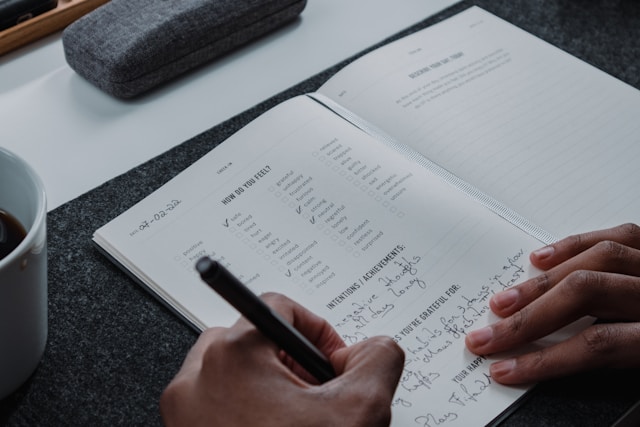
Image from Unsplash by Nubelson Fernandes

Humans are wired for the rush of novelty — our brains crave new experiences, surprises, and stimulation. This impulse fuels creativity and curiosity, yet it often distracts from the true rewards hidden in repetition.

Life doesn’t shower us with achievement every time we chase something new. Instead, real mastery, deep connection, and personal growth come through the steady rhythm of repeated effort and consistent behavior.

Repetition builds skill, transforms habits, and fosters meaningful relationships. Those daily rituals — showing up, practicing, listening, trying again — unlock compounding rewards far beyond the excitement of novelty.

What if the next breakthrough isn’t somewhere new, but in showing up again and again, for what matters most?

EXERCISE:

Investigate the books Atomic Habits by James Clear and Tiny Habits by BJ Fogg to learn how little repetitive steps can eventually become giant leaps in your life.

Notice your internal playlist

Notice your internal playlist.

—Calm App Reflection

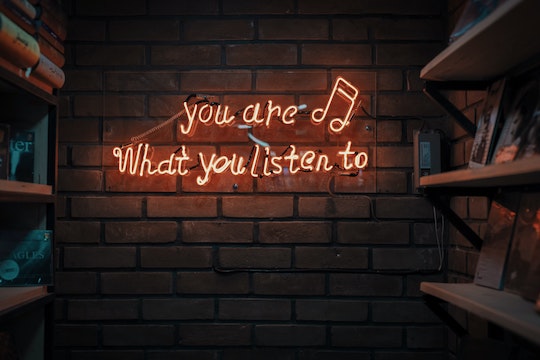
Image from Unsplash by Mohammad Metri

The moment we wake up it starts. Our inner voice begins and won’t stop until an undetermined time after our heads hit our pillows. If you — like many people — experience insomnia from time to time, the pause or stop button can be most elusive.

EXERCISE:

What thoughts have you been playing on repeat lately? What pivoting strategies can you apply given this awareness? How can you shift your playlist to one that soothes and serves?

”It’s not what you say out of your mouth that determines your life, it’s what you whisper to yourself that has the most power!”

”It’s not what you say out of your mouth that determines your life, it’s what you whisper to yourself that has the most power!”

—Robert Kiyosaki, American author of Rich Dad, Poor Dad

Image from Unsplash by magnet.me

Thoughts become things. In a typical day, we actually use our inner voices far more than our external ones.

We are constantly having what Susan Scott describes in her book, Fierce Conversations, as versations — which is simply a conversation with ourselves.

The power of bathing in our own thoughts is a form of leadership where we  repeatedly speak about our reality and our vision for the future. This repetition carves deep grooves in our conscious and unconscious minds, which can and often do lead to behaviors that determine our lives.

EXERCISE:

Notice your inner voice whispering to you throughout the day. What is it saying?

Is this voice positive and affirming or negative and judgmental?

How can and will you use the power of versations to enhance your life?